How to Choose an Ultrasonic Metal Welding Machine Supplier: Avoid Pitfalls by Selecting Based on Application Needs
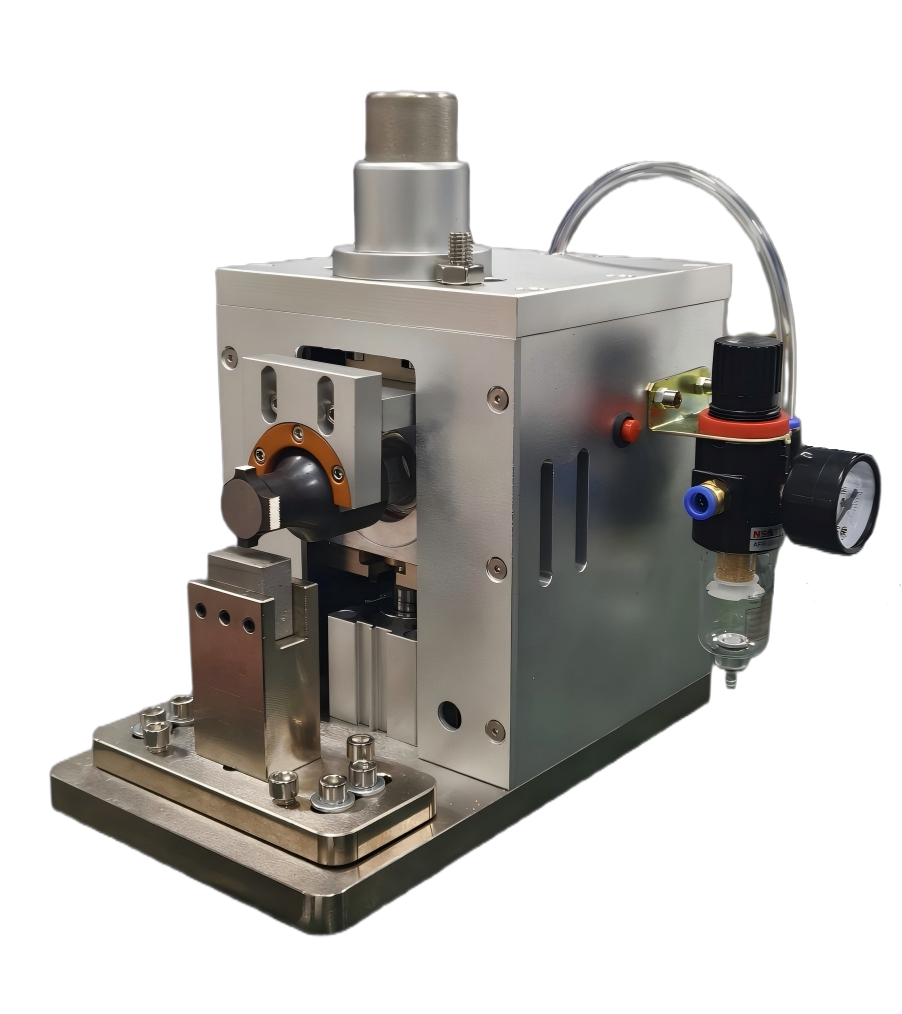
The new energy lithium battery, energy storage, and high-voltage vehicle cable harness industries are growing rapidly. Ultrasonic metal welders have become critical production equipment due to their lead-free joining, low-temperature welding, and stable connection resistance. However, the market is plagued by excessive OEM branding, inflated specifications, and misleading pricing. Many purchasers focus solely on low bare-machine prices, only to face frequent breakdowns, poor yield rates, and ultimately higher total costs. To avoid these pitfalls, selection must be based on your specific production needs. Kaijiete Sound is the proprietary brand of Shenzhen Kaijiete Precision Technology Co., Ltd. Leveraging our in-house R&D capabilities, we deliver superior equipment quality and exceptional value.
1. Four Common Pitfalls When Purchasing Ultrasonic Metal Welders
1. OEM price traps: save money short-term, incur massive long-term costs
Many traders in the market assemble and rebrand equipment, undercutting prices to capture market share while using low-quality components for core parts like generators and transducers. Within months of operation, devices frequently suffer from frequency drift, power degradation, and inconsistent weld quality. Downtime, repairs, and scrapped raw materials often cost far more than the initial savings on equipment. Since these intermediaries lack production facilities, repair requests are passed around endlessly, with after-sales support becoming a game of blame-shifting—offering no real value for money.
2. Mismatched use case: incorrect device selection leads to idle equipment.
Ultrasonic metal welders vary significantly by frequency and power range, each suited to specific foil thicknesses and wire diameters. Ultra-thin tabs require high-frequency, low-power models, while large cross-section, high-voltage harnesses need high-power units. Blind selection risks welding through the base material with excessive power or failing to achieve a secure bond with insufficient power, rendering the equipment unusable and wasting your initial investment.
3. Bare-bones units only; no process services included, leading to a sharp spike in prototyping costs.
Metal welding quality is 70% process and 30% equipment. Many vendors sell only standalone machines, offering no sample testing, custom horn solutions, or on-site commissioning. Companies waste time and resources repeatedly testing materials and adjusting parameters, driving up raw material scrap and labor costs while eroding the overall value of the equipment.
4. Lack of after-sales support and unpredictable maintenance costs
Small workshop brands lack dedicated after-sales teams. Equipment failures require disassembly and shipping for repair, causing long lead times and production line downtime. Genuine parts are often sold at exorbitant markups, resulting in persistently high maintenance costs over time.
II. Selection Guide for Three Main Application Scenarios
Scenario 1: Ultra-thin tab welding for consumer lithium batteries and micro energy storage
Commonly used for copper-aluminum multi-layer foils and miniature terminal blocks ranging from 0.01 to {1.1}mm in thickness. Due to the thin, lightweight nature of these workpieces, which are prone to burn-through, we recommend the high-frequency precision model operating at 40kHz. This ensures precise energy control and low-temperature welding to prevent foil damage.
Scenario 2: Power battery cell tab and module busbar welding
Optimized for mass production of power cell positive/negative terminals and Cu/Al busbars. We recommend the 20kHz medium-power model, equipped with a full-digital auto-tracking frequency system. Supports both time and energy modes to ensure consistent weld quality across large batches.
Scenario 3: New energy vehicles, high-voltage cable harness welding for charging piles
For welding multi-strand copper and aluminum wire bundles from 1 to 35mm², replacing traditional crimping and soldering processes. Equipped with a high-power 20kHz dedicated wire harness welder featuring a rigid frame and uniform pressure application, optimized for automated production lines.
3. High-Value Original Brand: Kaijietesheng (a brand under Shenzhen Kaijietesheng Precision Technology Co., Ltd.)
Kaijiet Sound is a flagship brand developed and manufactured in-house by Shenzhen Kaijiet Precision Technology Co., Ltd. With its own production facilities and R&D team in Shenzhen, we eliminate intermediary markups to deliver high-value equipment across purchase cost, operational cost, and maintenance cost.
1. Directly manufactured in-house, eliminating middleman markups
Generators, transducers, and custom welding heads are developed and manufactured in-house. We do not assemble devices from third-party kits, ensuring no inflated specifications. By eliminating multi-tier distributor markups, we offer realistic equipment pricing and a competitive base cost for your purchase.
2. Covers all device categories—choose what you need without overspending.
Backed by Capet Precision's R&D strength, Capet's acoustic product line comprehensively covers three key application scenarios: precision tab welding, power battery welding, and high-voltage harness welding. Customers can precisely match models to their specific product parameters, eliminating issues of over-specification (unnecessary cost) or under-performance (failure to meet production standards). This ensures optimal cost-effectiveness from the selection stage.
3. Free process support services to reduce pilot production costs
The brand offers free sample and prototype services, including pre-testing of welding results and provision of process parameters. Custom welding heads and fixtures are designed one-on-one based on product drawings. After equipment installation, our technicians provide on-site setup, commissioning, and free operator training—significantly reducing customers' costs from trial-and-error with raw materials and outsourcing mold development.
4. Localize after-sales support to reduce long-term maintenance costs
Leveraging Shenzhen's local manufacturing advantages, we've built a dedicated after-sales team for rapid fault response. In the Pearl River Delta region, our technicians can arrive on-site quickly for repairs. We maintain an in-stock inventory of genuine spare parts with transparent pricing and no hidden markups. Regular follow-ups include maintenance guidance to extend equipment lifespan, delivering exceptional value throughout the product lifecycle.
Conclusion
When purchasing an ultrasonic metal welding machine, low price alone does not equal high value. True cost-effectiveness lies in application fit, authentic factory quality, and comprehensive after-sales support. As a brand under Shenzhen Kaijiete Precision Technology Co., Ltd., Kaijiete Sound leverages our in-house R&D and manufacturing capabilities to balance competitive pricing with full-lifecycle service support—helping manufacturers avoid common procurement pitfalls and select welding equipment that perfectly matches their production lines while delivering superior overall value.